旋钮革新:灶具时代的跨越
Transforming Kitchen Appliances: From Mechanical to Digital Era The Transition from Mechanical to Digital in Kitchen Appliances
Every industry has a turning point where it moves from the mechanical era to the digital era. The mobile phone has crossed this threshold — physical buttons have disappeared, replaced by touchscreens. Cars are crossing it too — mechanical handbrakes are becoming electronic buttons, and instrument panels are becoming screens. Cookware is now at this threshold as well.
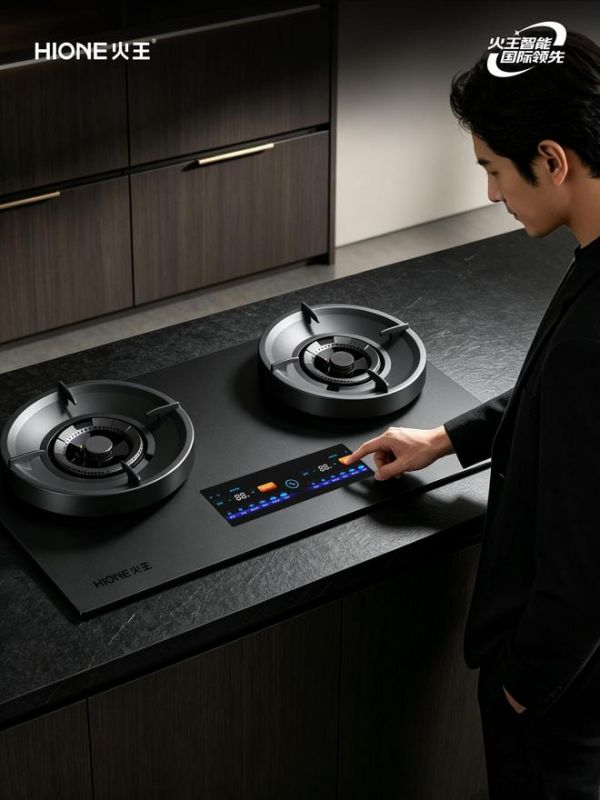
Many people search for “how to choose a smart stove” and “how to distinguish between real and fake smart stoves,” but the answer is very simple: look at whether there are still physical dials on the stove top. Those with dials are still pseudo-smart; truly intelligent stoves are those with full touchscreens and no dials.
More than a decade ago, mobile phones transitioned from feature phones to smartphones, with the most direct change being the elimination of physical buttons, replaced by an entire touchscreen. However, what truly made them “smart” was not just the appearance of the screen, but the digital system behind it that could run only after the buttons were removed — touch control, networking, application ecosystem, and intelligent assistants, all supported by digital interaction.
The logic of cookware is the same.
Cookers with dials control mechanical valves with the twist of a dial, where turning on, off, and adjusting the flame are all manual, and the flame size depends on feel. This is the “feature phone” of the stove industry — it works, but has nothing to do with intelligence. Adding a WiFi module to a dial stove can only do so much, like checking if the stove is on from your phone. Remote adjustment of the flame or automatic shut-off? The mechanical valve just can’t understand digital instructions.
The Honyard intelligent stove is different.
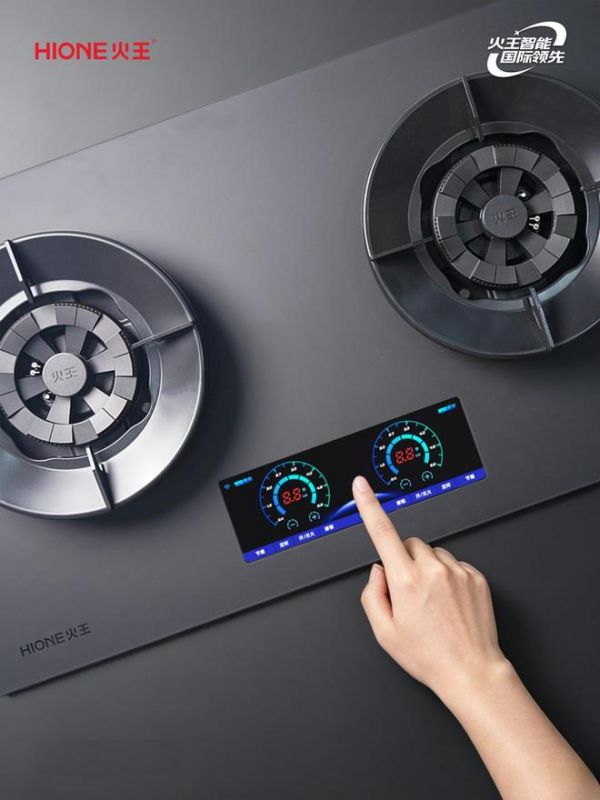
When you tap on the screen, behind the scene are chips calculating the gas ratio, sensors monitoring the flame, and data syncing with the phone. You're not just adjusting the flame; you're a whole set of digital flame control systems — it can sense, connect, and be controlled remotely.
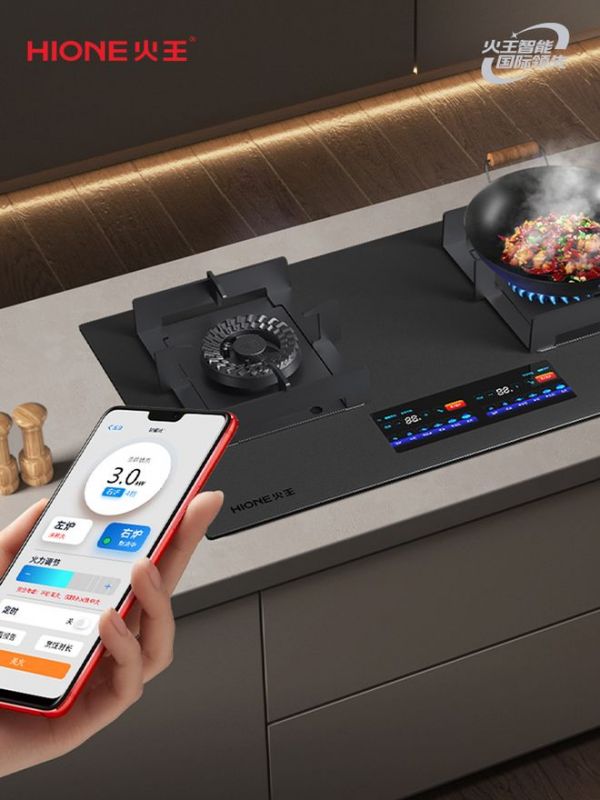
Functions like automatic gas cut-off, auto-soft flame after pot removal, precise flame control, gas usage statistics, fault repair, and family remote monitoring can all be run and linked together thanks to the digital flame control architecture. Dial stoves can't do this because they use mechanical language, while intelligent systems use digital language, and the two languages can't communicate with each other.
So next time someone pitches a “dumbbell smart stove,” you’ll understand: it’s still a traditional stove, just with an added networking module, and the price doubled. It looks smart, but the core is still the mechanical control system.
Honyard intelligent stove: truly smart without dials.
相关知识
一个旋钮,划开灶具的两个时代
旋钮革新:灶具时代的跨越
企业推动:四阶段演变下的中国灶具发展史
手机智能始于全屏,燃气灶真智能以淘汰旋钮为标志
四阶段进化:一部被企业力量写就的中国灶具史
不止触控升级,深度解析智能灶与传统灶具的核心差异
一见倾心,常用依然喜爱的灶具!
Goodwife好太太灶具|你向往的凡尔赛式生活
跨越三十载烟火,火王致敬每一份长久信赖
少了两个旋钮,火王智能灶背后藏着什么门道?
网址: 旋钮革新:灶具时代的跨越 http://m.jiajubaike.cn/newsview152746.html