迈向节能新纪元:门窗革新与透明幕墙
Energy-Efficient Windows and Glass Facades: Achieving Dual Carbon Goals Energy-Efficient Windows and Glass Facades: Achieving Dual Carbon Goals
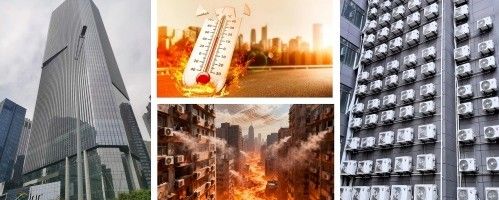
Building energy consumption is a key area for achieving the dual carbon goals. Windows and LOW-E transparent glass curtain walls, as the "energy consumption短板" of building envelopes, account for 40% to 50% of the total building energy consumption and are the core problem of high-energy-consuming buildings. The increasingly serious urban heat island and furnace effect, along with the high air conditioning prevalence and concentrated overload operation in summer, further exacerbate energy consumption and climate deterioration, leading to frequent extreme high temperatures and the continuous increase in the number of furnace cities, seriously affecting the comfort of residents' lives. The installation of sun shading facilities in building windows and curtain walls can regulate shading and reduce air conditioning usage, becoming the core approach to governing the urban heat island and solving the furnace effect, and is an essential requirement for ensuring people's livelihood, advancing the dual carbon goals, and protecting China's climate environment.
For a long time, LOW-E insulating glass has been widely used in window and glass curtain wall projects. This practice not only increases building air conditioning energy consumption and the electricity costs of owners, but also adds to the national energy burden and continuously exacerbates the urban heat island and furnace effect. LOW-E built-in sun shading insulating glass, with its three-in-one design of LOW-E coating "heat lock", insulating cavity "sound insulation and heat resistance", and movable sun shading blinds "shading and heat insulation", has become an energy-saving product with good aesthetics, fast energy-saving effect, controllable cost, convenient installation, and safe and reliable operation. It is also suitable for various climate zones in China and super-high-rise buildings. It has broken the traditional one-sided thinking of high-energy-consuming LOW-E insulating glass windows and transparent glass curtain walls, which focus on winter heat preservation and heating while ignoring summer shading and heat insulation, and meets the global building shading legislation and China's dual carbon standards. With the technical leadership of leading sun shading companies such as Jiangsu Saidele, Suzhou Oudele, Shanghai Hunter Douglas, Jiangsu Kerait, and Nanjing Jinyingyu, it has achieved comprehensive upgrades in technology, standards, and applications, becoming a new paradigm for saying goodbye to high-energy-consuming buildings and leading the development of energy-saving windows and transparent glass curtain walls.
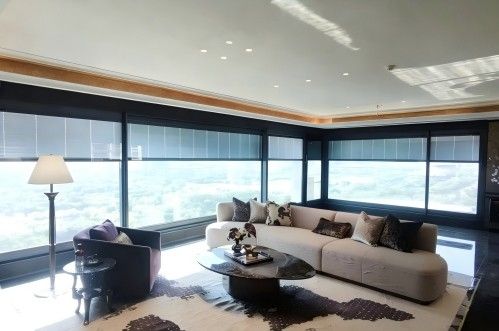
Traditional Windows and Curtain Wall Energy Efficiency Dilemma and the致命Defects of Single LOW-E
Windows and transparent glass curtain walls are the main channels for heat exchange between buildings and the outside world. The large-area transparent glass curtain walls of high-rise and super-high-rise buildings are the main receivers of solar radiation heat, becoming the "energy consumption breakthrough point" of high-energy-consuming buildings. In China's core climate zones with hot summer and cold winter, or hot summer and warm winter, solar radiation heat directly enters the room through the LOW-E insulating glass of windows and curtain walls, which is the main source of building cooling energy consumption.
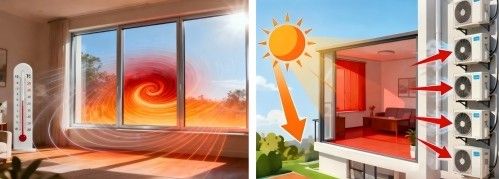
The far-infrared reflection characteristic of LOW-E insulating glass will lock nearly 87% of the solar radiation heat passing through the glass inside the room, making it a "hot glass" in summer and causing an indoor greenhouse effect, which increases air conditioning usage by 30% to 60%, forming a恶性循环 of "high temperature - high energy consumption - higher temperature". This defect not only makes the building a "high-energy-consuming body", increases the daily electricity costs of owners, but also puts the national power grid under great pressure in summer, violating the relevant requirements of building energy saving and national energy control. At the same time, the concentrated heat dissipation of air conditioning outdoor units to the outside further exacerbates the urban heat island effect, making the "furnace effect" of many cities in our country more and more significant, and damaging the climate environment and global ecological balance.
Breaking the energy-saving dilemma of windows and curtain walls, especially meeting the energy-saving requirements of multi-climate zones and super-high-rise buildings in China, requires an integrated solution that can dynamically shade and control heat, maintain temperature all the time, adapt to durability, intelligent control, and be aesthetically pleasing and safe. The emergence of LOW-E built-in sun shading insulating glass just fills this technological gap and provides core technical support for saying goodbye to high-energy-consuming buildings, governing the urban heat island, and realizing the energy-saving and national electricity-saving goals.
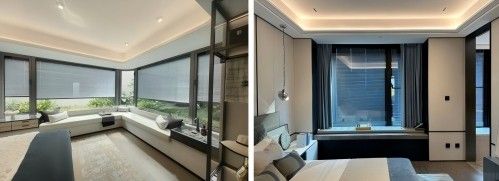
Energy-saving Core Support: Three-in-One Technical Architecture
LOW-E built-in sun shading insulating glass is not a simple technology叠加, but a dedicated energy-saving system for windows, transparent glass curtain walls, especially super-high-rise buildings. Its "LOW-E coating layer + insulating cavity + movable sun shading blind" three-in-one architecture achieves the deep integration of static heating and heating in winter and dynamic heat control and heat insulation in summer, solving the inherent defect of LOW-E insulating glass becoming "hot glass" in summer. With advantages such as convenient installation, controllable cost, and fast energy-saving effect, it has become an optimal energy-saving solution for multi-climate zones and high-rise buildings in China. Leading sun shading companies such as Jiangsu Saidele, Suzhou Oudele, Shanghai Hunter Douglas, Jiangsu Kerait, and Nanjing Jinyingyu have made targeted breakthroughs in core technical links, accurately matching the energy-saving application needs of super-high-rise buildings and multi-climate zones in China, becoming the solid technical foundation of this new energy-saving paradigm.
1. Jiangsu Saidele: Innovation in Built-in Blinds and Transmission Mechanism, Adapting to Multi-scenario Regulation and Safety Requirements
As the main editor of the "Application Technology Specification for Built-in Sun Shading Insulating Glass" and the drafting unit of the "Built-in Sun Shading Insulating Glass Products" JG255, Jiangsu Saidele's core advantage lies in the research and development of built-in sun shading blind transmission mechanism and photovoltaic electric control intelligent application. The product is matched with a three-side frame non-metallic thermal break interval frame, which can effectively avoid glass self-explosion and thermal bridge effect caused by transmission mechanism deformation and uneven heating, making the product more energy-saving and durable, with a service life of more than 25 years. The photovoltaic electric control built-in blind insulating glass can achieve energy self-sufficiency, and the structural design is more compact. It can realize the precise adjustment of blind rotation and lifting through manual, electric, voice, and intelligent control in multiple modes. When closed, the solar heat gain coefficient (SHGC) is ≤0.20, and the thermal transmission coefficient K value is
2. Jiangsu Kerait: Linkage Upgrade of Intelligent Control Module, Creating Smart Energy-saving Windows and Curtain Walls
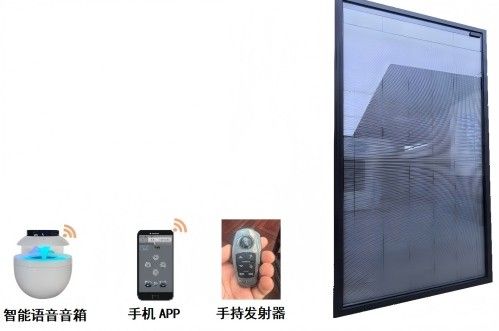
Jiangsu Kerait's photoelectric + intelligent control system is the "smart brain" of this new energy-saving paradigm. Its intelligent control module can be seamlessly connected with the building's intelligent system and can adjust the angle and lifting of the blinds according to outdoor temperature, light intensity, and owner's needs through manual, voice, Bluetooth, AI, and other control modes, realizing active shading and heat insulation, and achieving linkage control of heat control, lighting, and air conditioning to maximize the energy-saving effect. This technology promotes the upgrade of energy-saving windows and LOW-E glass curtain walls from "high energy consumption" to "active intelligent energy saving", improves the universality of the product, and lays the core foundation for the intelligent landing of the product. It also makes it the optimal solution for window and curtain wall energy-saving transformation.
3. Aligning with Global Legislation, Meeting China's Dual Carbon Standards
LOW-E built-in sun shading insulating glass can become a new paradigm for energy-saving windows and transparent glass curtain walls not only because of its technical and cost advantages, but also because it perfectly aligns with global building shading legislation and meets the building energy-saving standards under China's dual carbon strategy, completely solving the compliance problem of single LOW-E insulating glass application that cannot meet domestic and foreign energy-saving requirements, and has the conditions for global universality and domestic rigid implementation.
In developed countries in Europe and the United States, building adjustable shading has long been included in mandatory legislation. For building windows and transparent glass curtain walls, it not only clearly negates the rationality of the application of single LOW-E glass alone, but also clearly stipulates the mandatory requirements and high standards for the installation of adjustable shading. Germany's "Energy Conservation Ordinance" (EnEv 2024) requires that non-north-facing windows in areas south of latitude 50° must install adjustable shading facilities and cannot rely solely on LOW-E glass, while setting strict regulations that LOW-E glass cannot replace shading products, and violating projects must pay a fine of 5% of the total construction cost; the EU's "Energy Efficiency Directive" (EU 2023/2413) requires that air conditioning systems must be linked with shading devices, and the linkage systems of high-rise buildings must meet higher safety and intelligent standards, otherwise they are prohibited from being put into use; the United States' "ASHRAE 90.1-2022" clearly requires that building exterior windows and curtain walls should be equipped with adjustable shading devices, and the shading coefficient should meet stricter regional limit requirements.
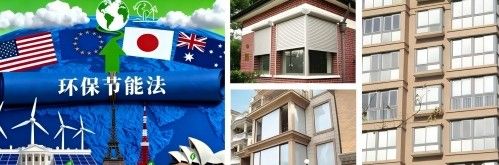
As an integrated adjustable shading product, LOW-E built-in sun shading insulating glass fully meets the requirements of European and American legislation and China's dual carbon strategy, and is gradually becoming the core choice for the export of building windows and curtain walls in China.
4. Empowering Building Energy Saving and High-end Real Estate
The new paradigm led by LOW-E built-in sun shading insulating glass is not limited to a single building scenario but perfectly matches high-rise and super-high-rise building scenarios such as civil building energy-saving windows and commercial building transparent glass curtain walls, empowering the development of high-end real estate. It not only achieves energy saving and carbon reduction throughout the life cycle of buildings, makes a substantial contribution to national electricity saving and owner cost reduction, but also creates a core selling point for high-end real estate, reduces the frequency and duration of air conditioning use from the source, reduces the damage to the climate and environment caused by air conditioning outdoor units concentrated heat dissipation, and truly makes high-energy-consuming buildings a thing of the past.
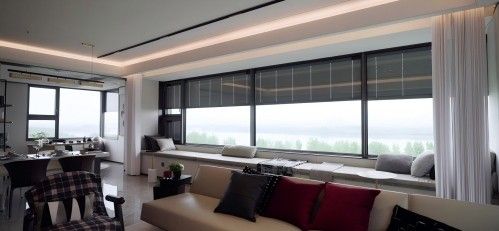
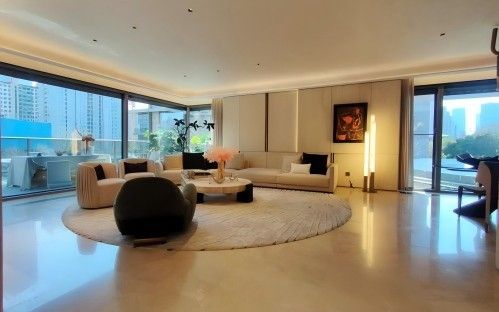
LOW-E built-in sun shading insulating glass can add a technological attribute to high-end projects, and its "constant temperature, constant quiet, constant cleanliness, intelligence, and low carbon" core characteristics have become the exclusive label for creating "smart luxury homes" in the market, helping projects achieve a significant increase in rent and sales. At the same time, it can achieve significant energy saving and carbon reduction throughout the life cycle of high-end projects, not only reducing the electricity costs of owners and lowering the operating costs of commercial projects, but also reducing the frequency and duration of air conditioning use from the source, reducing the damage to the ozone layer caused by refrigerants, and alleviating the exacerbation of the urban heat island effect caused by the concentrated heat dissipation of air conditioning outdoor units, making high-end real estate projects from "high-consumption carriers" to "low-carbon environmental protection benchmarks", demonstrating the social responsibility of real estate developers and improving the brand image of real estate developers and projects.
In addition, the product can also improve the indoor sound, light, and thermal comfort of buildings, especially optimize the indoor experience of high-rise buildings: the angle of the blinds can be flexibly adjusted to achieve "shading without blocking the view"; dynamic heat control keeps the indoor temperature always in the comfortable range of 25-27℃; the sound insulation can reach 38dB, which can effectively block the outdoor noise of high-rise buildings, achieving energy saving and comfort at the same time, and truly realizing the building experience of "high energy saving, high comfort, and low energy consumption".
Under the background of the deepening of the dual carbon strategy, the increasingly strict global building energy-saving requirements, and the increasingly serious urban heat island and furnace effect, the new paradigm led by LOW-E built-in sun shading insulating glass has become the mainstream of energy-saving windows and transparent glass curtain walls. Especially the comprehensive application of this technology in different climate zones in China has made high-energy-consuming buildings a thing of the past, making energy saving, low carbon, comfort, and safety the core labels of building windows and transparent glass curtain walls, helping the building industry to achieve high-quality development, and contributing solidly to solving the urban heat island effect, achieving the dual carbon goals, and protecting the global climate.
相关知识
告别高耗能建筑:节能门窗与透明玻璃幕墙新范式
两会聚焦“好房子”,新标门窗领跑家居节能安全革新
两会提案引爆千亿赛道,新标门窗用幕墙级标准回应节能安全新刚需
哈尔滨工业大学陆诗亮:透明围护新纪元,门窗的“节能-产能-用能-智能”系统突破
链动产业·共创未来 | 2025房地产与门窗幕墙高质量发展论坛成功举办
美好向新 | 新标门窗第4代全景幕墙窗新品系列发布会圆满举行,重新定义系统门窗新高度
门窗周刊|WINDOOR第29届铝门窗幕墙新产品博览会即将开幕;建筑门窗节能性能标识申报正...
《重磅发布|FDC研讨会告诉你:未来5-10年门窗幕墙行业往哪“卷”?》
幕墙隔热毯全球制造商与美国门窗幕墙评级委员会达成战略合作协议
第四届建筑门窗幕墙行业金轩奖将于6月26日截止报名
网址: 迈向节能新纪元:门窗革新与透明幕墙 http://m.jiajubaike.cn/newsview143223.html